No Country Is Innocent. Only Differently Framed.
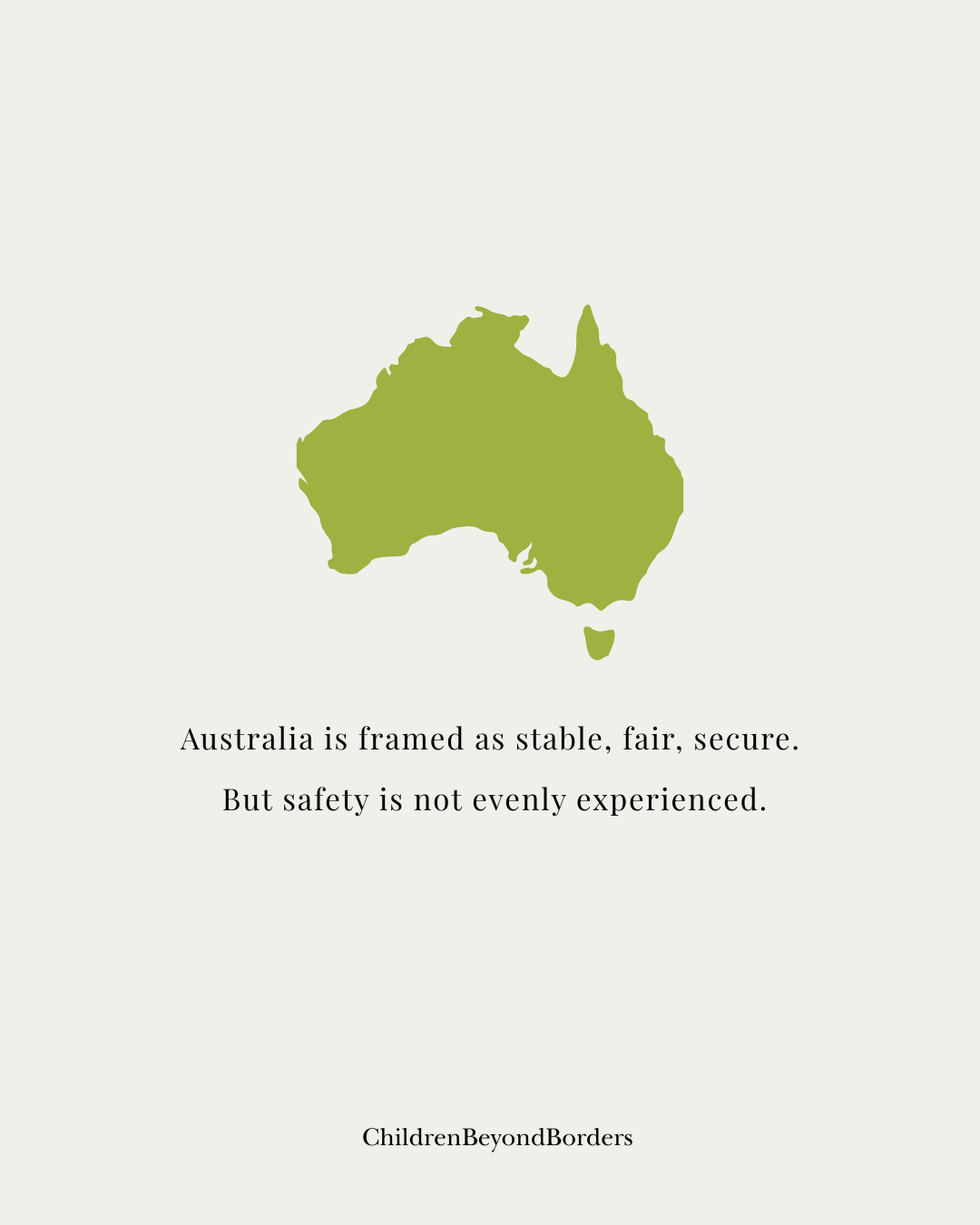
Australia is often described as one of the safest, fairest countries in the world. We repeat this story so often it begins to feel like fact rather than belief. But safety is not evenly distributed, and fairness is not automatic. It is conditional.
Human trafficking, labour exploitation, and violence do not exist only “over there”. They exist within Australia’s borders, embedded in systems we consider normal: temporary visas, subcontracting chains, labour hire, and global supply networks designed for efficiency rather than protection (Australian Institute of Criminology, 2020; UNODC, 2024).
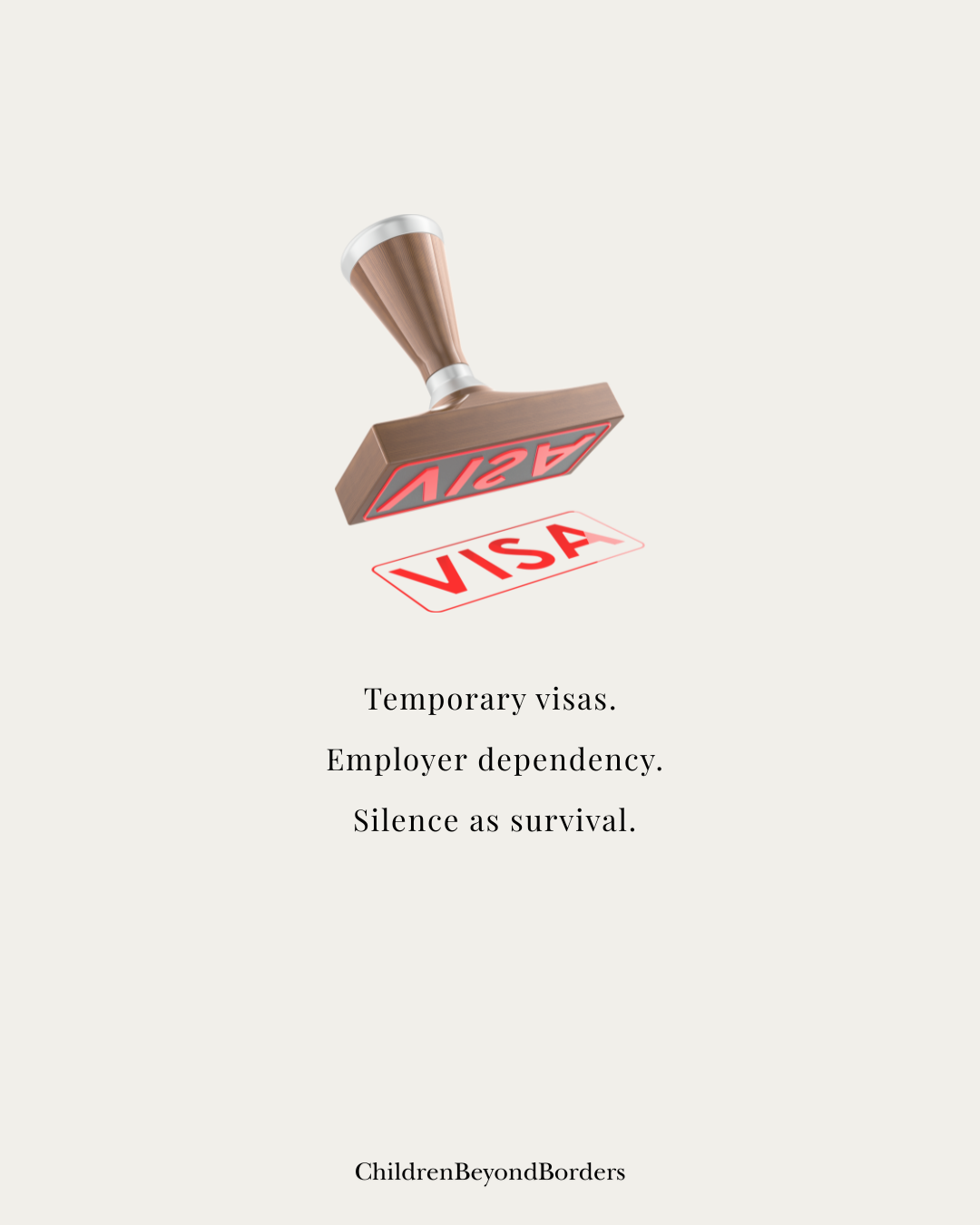
Much of this exploitation does not look like brutality. It looks like paperwork. It looks like visa conditions that tie a person’s legal status to a single employer. It looks like unpaid overtime accepted quietly because complaining risks deportation. It looks like passports held “for safekeeping”, debts framed as opportunity, and silence mistaken for consent (Anti-Slavery Australia, 2022).
Australia has criminalised slavery and trafficking through the Criminal Code and the Modern Slavery Act 2018. On paper, the protections are strong. In practice, enforcement is uneven, reporting is risky, and many victims remain invisible (Attorney-General’s Department, 2018; UNODC, 2024). When survival depends on staying unseen, abuse thrives quietly. Silence becomes rational.
We are also taught, subtly and constantly, to believe that danger belongs elsewhere.
That antisemitism is a European problem.
That gun violence is an American one.
That instability, extremism, and hate live in countries we are warned about before we ever set foot in them.
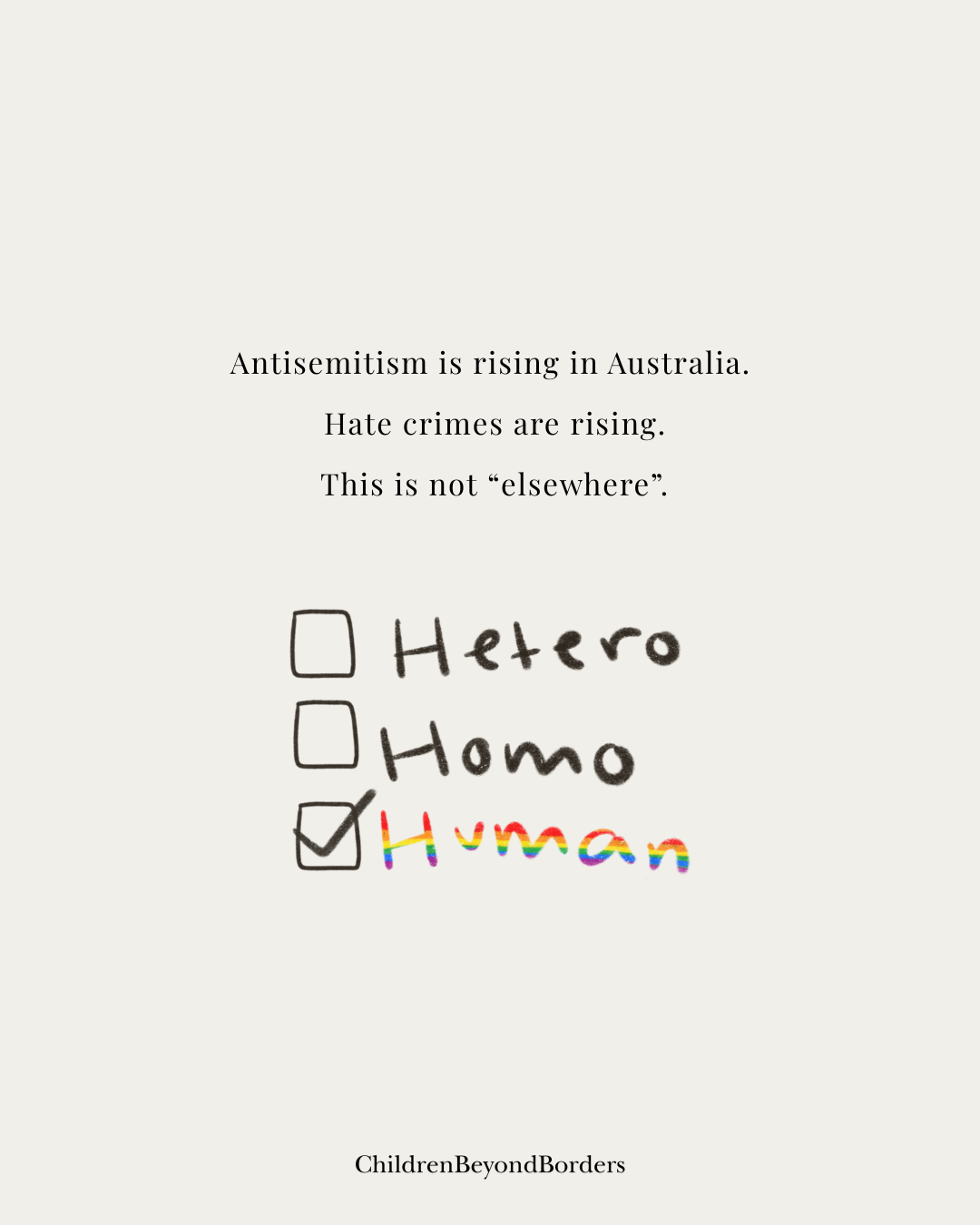
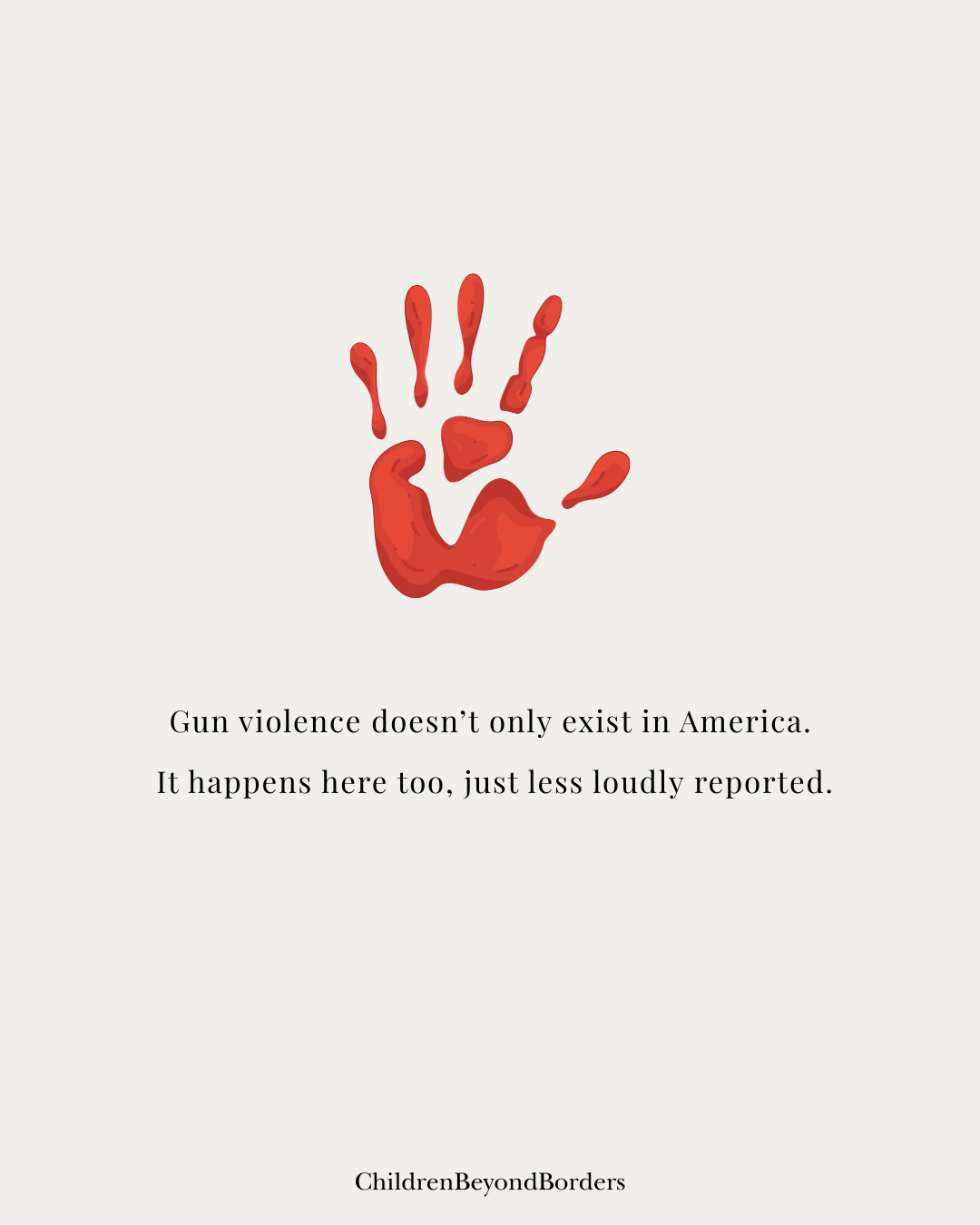
Yet antisemitic incidents in Australia are rising, alongside broader increases in hate crimes (Australian Institute of Criminology, 2023). Gun violence does occur here, less frequently than in some countries, but not absent, and is often framed as isolated or anomalous rather than systemic (AIC, 2022). When violence happens in Australia, it is treated as a tragic exception. When it happens elsewhere, it is framed as cultural, endemic, expected.
This difference is not accidental. It is media architecture.
The media does not simply report danger; it distributes it unevenly. It decides which violence becomes a national crisis and which remains a footnote. Which victims are mourned publicly, and which disappear quietly. Which countries are labelled unsafe, and which are protected by silence (Herman and Chomsky, 1988; Hall, 1997).
Borders themselves are a human invention, drawn historically to control movement, labour, and resources, rather than to protect people equally (Anderson, 1996). In an increasingly globalised world, movement is celebrated when it serves leisure or profit, and criminalised when it reflects necessity. Freedom is romanticised for some, surveilled for others.
Violence does not respect borders. Hate does not require a visa. Exploitation operates wherever systems value reputation, profit, and efficiency over human protection (UNODC, 2024).
Loving a country does not mean pretending it is perfect. It means being willing to interrogate who benefits from its protections and who remains excluded from them. No country is innocent. Some are simply better protected by narrative.
References
Anderson, B. (1996) Imagined Communities: Reflections on the Origin and Spread of Nationalism. Revised edn. London: Verso.
Anti-Slavery Australia (2022) Slavery and trafficking risk factors in Australia. Sydney: University of Technology Sydney.
Attorney-General’s Department (2018) Modern Slavery Act 2018 (Cth). Australian Government.
Australian Institute of Criminology (AIC) (2020) Human trafficking and modern slavery in Australia. Canberra: Australian Institute of Criminology.
Australian Institute of Criminology (AIC) (2022) Firearm-related violence in Australia. Canberra: Australian Institute of Criminology.
Australian Institute of Criminology (AIC) (2023) Hate crime in Australia: Trends and issues. Canberra: Australian Institute of Criminology.
Hall, S. (1997) Representation: Cultural Representations and Signifying Practices. London: Sage Publications.
Herman, E.S. and Chomsky, N. (1988) Manufacturing Consent: The Political Economy of the Mass Media. New York: Pantheon Books.
United Nations Office on Drugs and Crime (UNODC) (2024) Global Report on Trafficking in Persons. Vienna: United Nations.
United Nations Office on Drugs and Crime (UNODC) (n.d.) Justice for victims of trafficking. Available at: https://www.unodc.org/unodc/en/justice-and-prison-reform/cpcj-victims.html